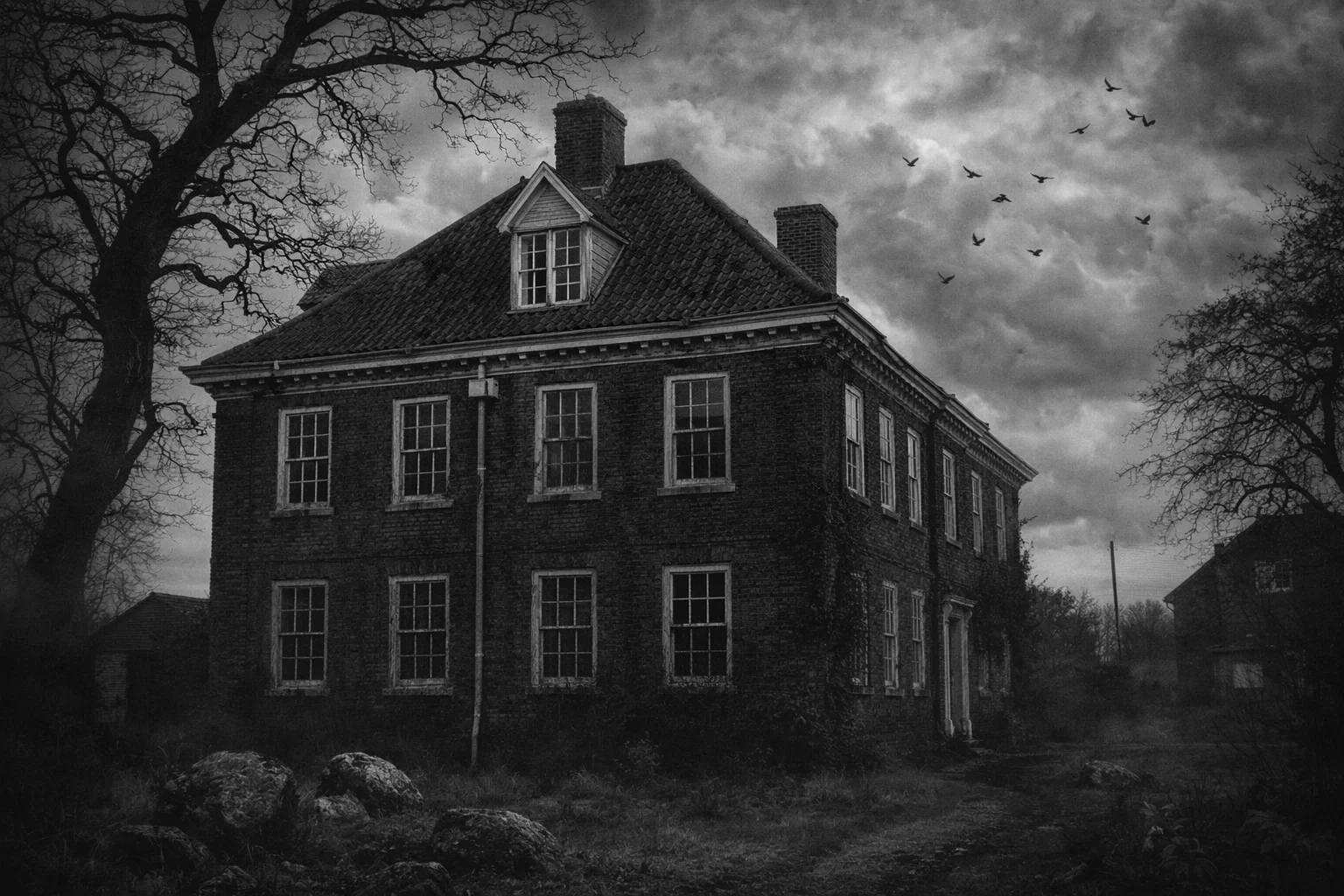

The Epworth Rectory haunting refers to a series of strange events that took place in the Wesley family home from 1716 to 1717. Many consider it one of the best-documented poltergeist cases in English history.
Most of the activity focused on a spirit the family called “Old Jeffrey,” whose presence was described in detail in the journals and letters of John Wesley, the founder of Methodism, and his relatives.
Summary
Overview
| Attribute | Details |
| Name | Epworth Rectory |
| Other Names | Old Wesley Rectory, The Home of Old Jeffrey |
| Address | 1 Rectory St, Epworth, Doncaster DN9 1HX |
| Country | United Kingdom |
| Coordinates | 53.4819° N, 0.8225° W |
| Nearest City | Doncaster |
| Property Type | Queen Anne style rectory |
| Built / Established | 1709 (current building) |
| Closed/Abandoned | Still in use (as a museum) |
| Owner | British Methodist Church |
| Type of Haunting | Poltergeist |
| Manifestations | Knocking, banging, footsteps, moving furniture, lifting latches, animal mimicry, vocalizations |
| Tragic Events & Causes | Destruction of the previous rectory by fire in 1709 |
| Known Entities | Old Jeffrey |
| Fear Rating | 4/10 (Mildly Unsettling) [See Explanation] |
| First Recorded Sighting | 1716 (First disturbances reported by maid) |
| Most Recent Sighting | Modern day (Visitors reporting cold spots and heavy footsteps) |
| Activity Level | 3/10 (Mild Activity) [See Explanation] |
| Current Status | Open as a museum |
| Open to the Public? | Yes, through guided tours and museum visits |
| Best Time to Visit | April to October (seasonal opening hours) |
| Danger Warning | Paranormal activity is non-violent; standard historical building safety applies |
| Similar Haunted Locations | Borley Rectory, Enfield House, Ancient Ram Inn, 30 East Drive, Woodchester Mansion, Skirrid Mountain Inn, Chillingham Castle, Berry Pomeroy Castle, Ham House, Blickling Hall, Speke Hall, Smithills Hall, Ordsall Hall, Samlesbury Hall, Rufford Old Hall, Gainsborough Old Hall |
Epworth Rectory’s Haunted History
The historical record of the Epworth Rectory haunting is inextricably linked to the structural and political turmoil surrounding the Wesley family in the early 18th century. The current building, a two-story Queen Anne-style rectory constructed of red brick, was built in 1709 following a catastrophic event that nearly ended the Wesley lineage.
On February 9, 1709, the old timber-framed parsonage burned down in a fierce fire. John Wesley, who was five at the time, was rescued from the upper floor by neighbors who made a human ladder just before the roof fell in. Samuel Wesley, the Rector, thought the fire was set on purpose by local parishioners who disliked his strict tithing rules and his open support for the Hanoverian succession.
Moving into the new rectory did not end the family’s troubles. Although the 1709 fire is often seen as the event that started the haunting, the most active period was from December 1716 to January 1717. This time is well documented because John Wesley, who was away at school, asked his parents and sisters to write down their experiences.
The disturbances began on December 1, 1716, when a maidservant heard “dismal groaning” in the dining room. Soon, the entire family was besieged by sounds that defied rational explanation. Susanna Wesley described the noises as sounding like “the rattling of a coach” or “the turning of a windmill.”
The family noticed that the entity, whom they nicknamed “Old Jeffrey,” appeared to have a specific focus on the Rector’s study and the nursery. During the peak of the activity, the sounds were so thunderous that they shook the floorboards and could be heard by neighbors passing in the street.
One important detail about the haunting is its political background. In 1716, Britain was divided between supporters of King George I and the Jacobites. Whenever Samuel Wesley led the family in “Royal Prayers” for the King, the spirit would respond with loud banging and knocking. The family thought the ghost might support the Jacobites.
The haunting also seemed to focus on the Wesley daughters, especially Elizabeth, Anne, and Emilia. Susanna Wesley wrote in her letters that the activity was strongest when her children were present. Today, some researchers see this as a classic poltergeist case, possibly caused by the stress and strict rules in a big family.
By the end of January 1717, the strange events suddenly stopped, but the family was still affected by what had happened. John Wesley later published the story in the “Arminian Magazine,” saying the events proved the spiritual world was real. The rectory stayed a private home for Church of England clergy until the mid-1900s.
In 1954, the building was purchased by the World Methodist Council and converted into a museum. Despite the passage of three centuries, the “Old Jeffrey” haunting remains the benchmark for poltergeist research, representing a rare instance where the witnesses were highly educated, articulate, and committed to recording the events without hyperbole.
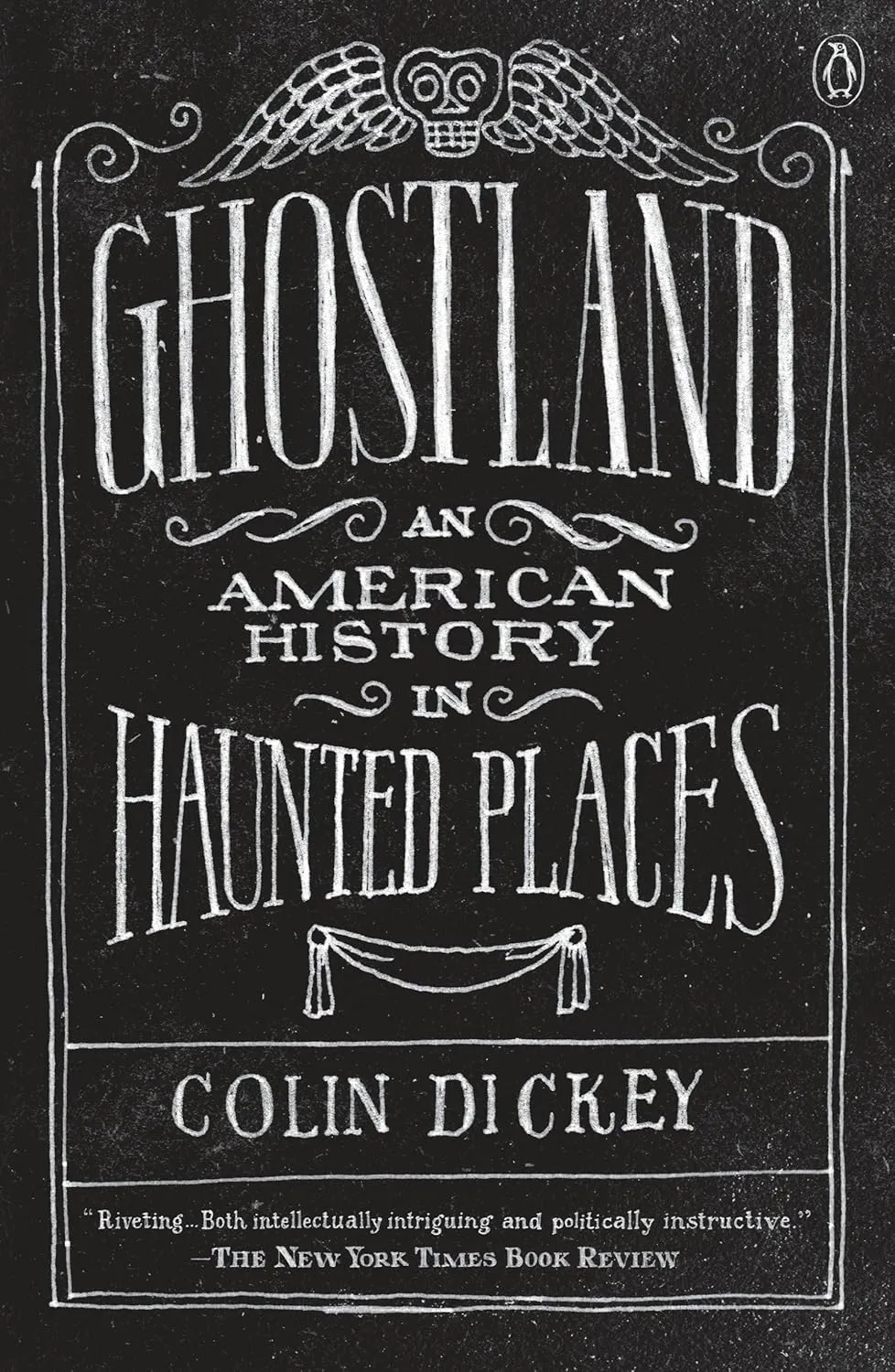
Travel America’s Most Haunted – Ghostland by Colin Dickey
In this captivating hardcover, author Colin Dickey explores America’s most famous haunted sites—from abandoned asylums and haunted houses to ghost towns and cursed hotels—not just for scares, but to uncover the deeper historical truths, forgotten tragedies, and cultural anxieties that fuel these ghost stories. A thoughtful blend of travelogue, history, and paranormal investigation across the United States.
Local Legends
The legends surrounding Epworth Rectory are unique because they are backed by the primary source documents of one of the most famous religious families in history.
The Identity of Old Jeffrey
One local legend says that “Old Jeffrey” was the ghost of a telegraph operator or a local man who had a problem with the Wesley family. In some versions, the spirit was a Jacobite supporter who haunted the Rector because Samuel Wesley prayed for King George I.
According to the legend, whenever Samuel prayed for the King, the spirit would answer with loud knocking and banging to show it did not approve. This political angle often comes up in local stories about the haunting.
The Omen of the Badger
Another story tells of Samuel Wesley seeing something strange in the dining room. He said he saw a creature like a headless badger run under the table. In local folklore, this was seen as a sign or a physical form of the poltergeist’s energy. Unlike the usual noises, this sighting is often used as proof that the spirit could appear as a strange animal.
Reported Ghosts
The main spirit at the rectory is Old Jeffrey. He was not seen as a ghost, but as an invisible force that made a lot of noise. Historical records say he had a certain personality and was especially active when the family prayed or tried to ignore him.
Today, some visitors say they have seen a woman in 18th-century clothes, thought by some to be Susanna Wesley, in the kitchen or upstairs bedrooms. There are also occasional reports of a small child running between rooms, but these are less common than reports of strange sounds.
Documented Sightings Timeline
| Witness | Date | Details |
| The Maidservant | December 1716 | Reported hearing dismal groaning and the sound of a silk dress rustling. |
| Susanna Wesley | December 1716 | Heard footsteps following her through the halls and the sound of breaking glass. |
| Molly Wesley | December 1716 | Heard the sound of a door latch lifting and a door opening while sitting in the dining room. |
| Samuel Wesley | December 21, 1716 | Experienced three distinct knocks in his study, which he initially believed were caused by his children. |
| The Wesley Children | December 1716 | Reported the sound of a “cradle rocking” in the nursery when no cradle was present. |
| Samuel Wesley | December 25, 1716 | Reported being pushed by an invisible force while entering his study. |
| John Wesley | January 1717 | Recorded a sudden, loud bang against his bed’s headboard during the night. |
| Emilia Wesley | January 1717 | Observed the sound of heavy coins being poured onto the floor, though nothing was there. |
| Museum Visitors | 1990s – Present | Multiple reports of heavy footsteps in the attic and the smell of old tobacco. |
The Wesley Sisters’ Letters
The letters between the Wesley sisters and their brothers offer several perspectives on the 1716–1717 haunting. While the family agreed that “Old Jeffrey” was present, their letters show that each person saw, reacted to, and understood the spirit in their own way.
Susanna (Suky) Wesley
Susanna Wesley, known as Suky, was one of the first to give her brother Samuel a detailed account. Her letters are known for describing the many different sounds the spirit made. She famously wrote about hearing a silk nightgown rustling and moving along the floor, as if an invisible person was walking nearby.
Suky’s letters also tell the story of the “dancing trencher,” where a wooden plate spun on the table by itself. At first, she was skeptical and was scolded by her father for being “frightened,” but later she accepted the strange events as just another part of life in the house.
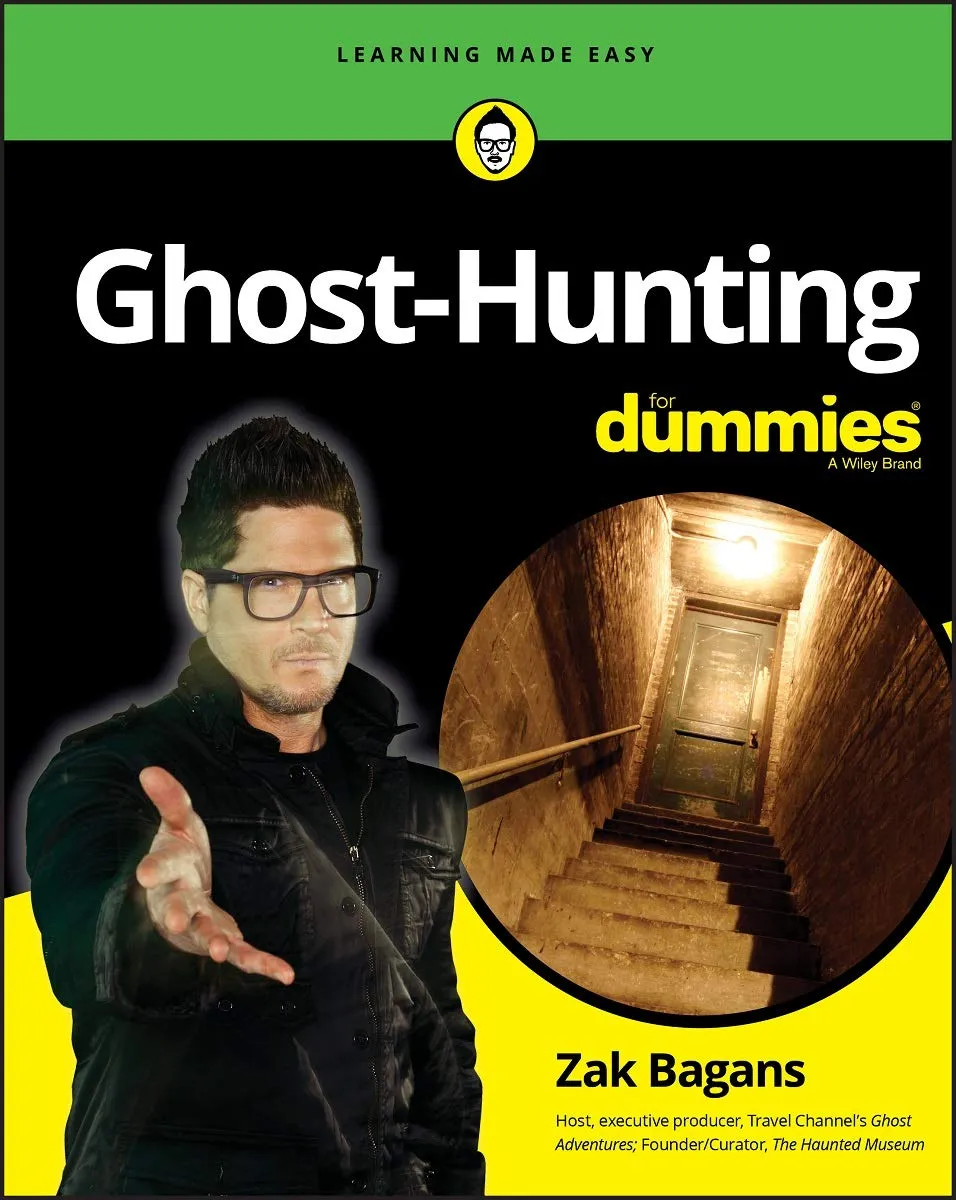
Zak Bagans’ Ghost-Hunting For Dummies – 448-Page Step-by-Step Manual
Written by Zak Bagans, star of Ghost Adventures and founder of the Haunted Museum, this 448-page paperback is the ultimate beginner-to-advanced guide to paranormal investigating. It covers the history of ghost hunting, choosing haunted locations, using scientific tools and cameras, conducting safe investigations, and interpreting evidence—complete with real stories from Bagans’ famous cases.
Emilia (Emily) Wesley
Emilia Wesley is the one who named the spirit “Old Jeffrey.” Her letters are some of the most detailed and frequent, as she felt a strong connection to the strange events.
Emilia said the spirit often followed her, making sounds like coins being poured at her feet or glass bottles clashing. Unlike her sisters, Emilia also described seeing a creature like a white rabbit come out from behind the oven, which she thought was a witch or a familiar, not a typical ghost.
Molly Wesley
Molly Wesley’s letters and later interviews with John focused on how the spirit could move things around. She described the spirit-lifting door latches and rattling iron window frames.
Molly’s story stands out because she focused on strange events in the nursery. She and her mother heard a cradle rocking hard in a room where there hadn’t been a cradle for years. Her letters are often seen as the most “objective,” since she described physical movements instead of the softer sounds Suky mentioned.
Hetty Wesley
One major difference in the family’s letters is that none from Hetty Wesley has survived. Even though she was often at the center of the activity and people said the noises “followed” her from room to room, there are no letters from her to her brothers.
Modern researchers, including those in the 2025 Dark Histories analysis, think John Wesley may have hidden or destroyed Hetty’s letters. Since the activity was strongest when she was around, many skeptics, such as Addington Bruce, have used the sisters’ letters to suggest that Hetty was either unknowingly or deliberately causing the poltergeist events.
Paranormal Activity
The strange events at Epworth Rectory are typical of poltergeist cases. People most often reported rhythmic knocking, usually in groups of three, and the sound of heavy things being dragged across the floor.
The Wesleys noticed that the spirit would copy sounds; if someone knocked on a table, it would knock back in the same pattern. The noises were so loud they could be heard all over the house and sometimes made the walls and floors shake.
Modern-Day Sightings and Experiences
In recent years, staff and volunteers at the Epworth Old Rectory museum have said that while the violent poltergeist events of the 1700s have stopped, the building still feels heavy and has some ongoing, subtle, strange happenings.
Today, people who work at the site mostly report odd sounds and changes in how the rooms feel, instead of the dramatic events the Wesley family described.
Staff have recorded the following experiences:
- Footsteps: One of the most common reports is the sound of heavy footsteps walking in the attic and on the upper floors. These sounds are often heard when the museum is closed, and staff are working alone downstairs.
- Bizarre smells: Staff and long-term volunteers have reported the sudden scent of old tobacco smoke or heavy, damp earth in rooms that are otherwise clean and well-ventilated. These scents appear and dissipate rapidly without a clear physical source.
- Temperature drops: Volunteers giving tours have noticed cold spots, especially in “Old Jeffrey’s Room” and the nursery. These temperature drops are often described as feeling like a shiver moving through part of the room, even in summer.
- Strange shadows: While rare, there have been anecdotal accounts of a dark, man-sized shape glimpsed in the periphery of vision near the back staircase—the same area where the Wesley servant, Robert Brown, once claimed to see an entity in “jack-boots.”
- Equipment Malfunctions: Modern paranormal investigators and media crews have reported unexplained battery drain and audio equipment issues, especially in the kitchen and the study where Samuel Wesley was said to have been pushed by the spirit.
Banish Spirits with Sacred Smoke – 3-Pack White Sage Smudge Torches
This set from Alternative Imagination includes three hand-tied torch-style smudge sticks made from 100% natural California white sage (Salvia Apiana). Each thick bundle measures approximately 4-5 inches long, perfect for traditional smudging rituals to clear negative energy, purify haunted spaces, or protect during paranormal explorations—sustainably sourced for authentic, fragrant smoke.

Notable Investigations
The Epworth Rectory haunting stands out in paranormal research because it was one of the first cases to be recorded in a careful, organized way. Instead of just relying on stories passed down, the details were kept by people who saw the events and later studied by scientists and researchers.
The Wesley Family Investigation (1716–1717)
The main investigation was led by Reverend Samuel Wesley. At first, he thought the noises were made by pranksters or his own children, so he carefully searched the rectory. He kept a journal, writing down the exact times and places where he heard the knocks.
During his investigation, he famously challenged the spirit by saying, “If thou art the spirit of my son Samuel, I pray thee knock three times and no more.”
When the spirit did not follow his instructions but kept making random loud noises, he decided it was something supernatural. His children, especially Emilia and Susanna, also tried their own tests, like holding door latches to see if they would move on their own.
The Joseph Priestley Analysis (1791)
In 1791, Joseph Priestley, the famous chemist who discovered oxygen, reviewed the Wesley family’s records from both a literary and a scientific perspective. He published their private letters and diaries in his book, “Original Letters by the Rev. John Wesley and His Friends.” Priestley’s goal was to find a logical or psychological explanation for the events.
Priestley suggested that the events might have been caused by pranks from the children and the family’s own superstitions. His work is important because it was one of the first times a scientist attempted to explain a famous haunting by closely examining what the witnesses said.
The Society for Psychical Research Review
After it was founded in 1882, the Society for Psychical Research (SPR) studied the Epworth case as part of its look into poltergeist history. Researchers like Frank Podmore checked how consistent the family members’ stories were.
The SPR’s study found that the strange events seemed to spread, with the most activity occurring around teenage children. While some members remained unsure, the SPR considered this case a key example of poltergeist activity. They noted that the family’s good education and the way their stories matched made it one of the most believable cases in their records.
Modern Media and Podcast Studies (2025)
Recently, the rectory has been studied in modern “digital investigations.” In January 2025, the Haunted History Chronicles did a detailed study with author Matt Arnold and other researchers.
These new studies look at the social and political situation in 1716 and suggest that “Old Jeffrey” might have been a result of the family’s own tensions or their political views about the Jacobites.
These studies use historical maps and the original Wesley letters to piece together what happened. They found that the strange events seemed to follow the family as they moved through certain parts of the house, like the nursery and the attic.
Tags:
Explore More Haunted Locations:
Athelhampton House (Dorset, UK)
December 8, 2025
Alcatraz Island (San Francisco, CA)
December 1, 2025
Eastern State Penitentiary (Philadelphia, PA)
February 4, 2026
Ancient Ram Inn (Gloucestershire, UK)
December 2, 2025
February 25, 2026
Epworth Rectory (Lincolnshire, UK)
January 14, 2026
